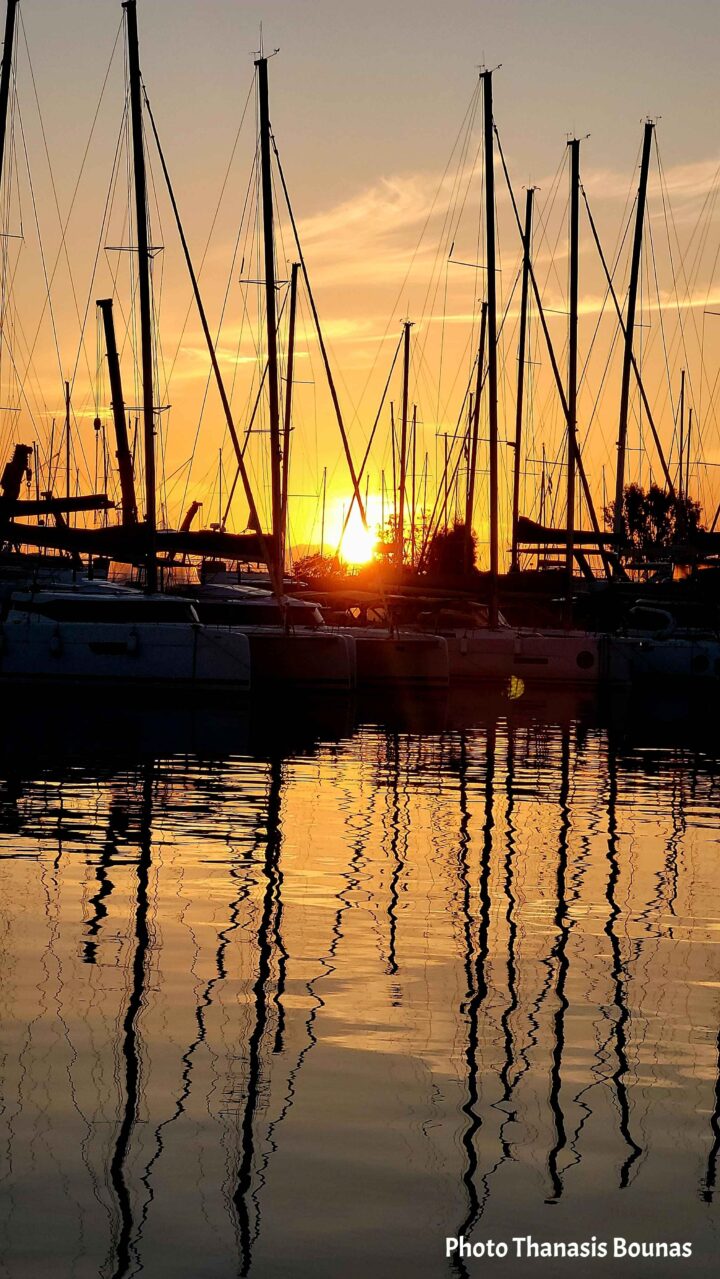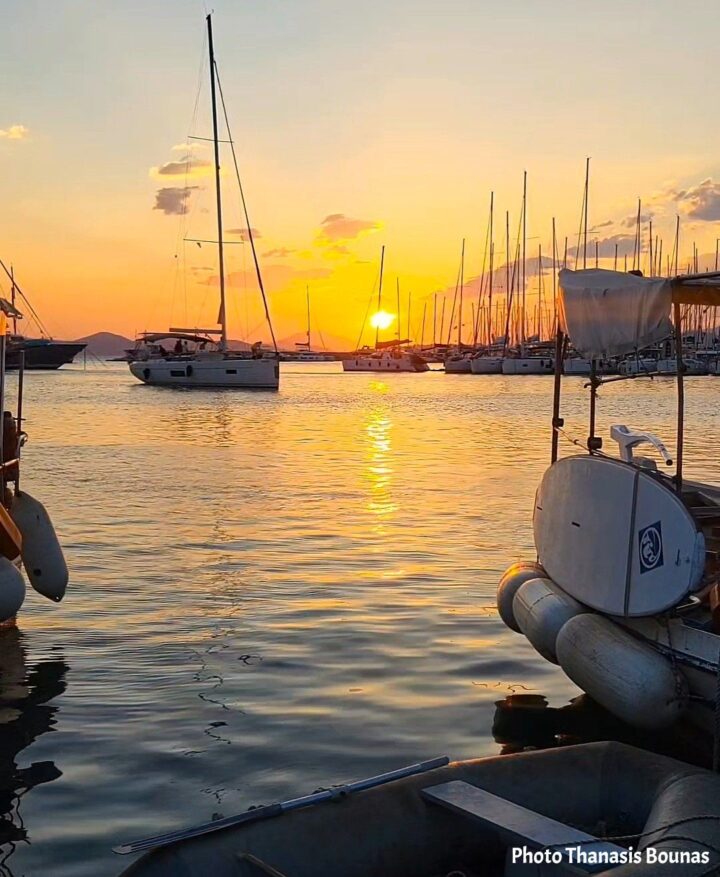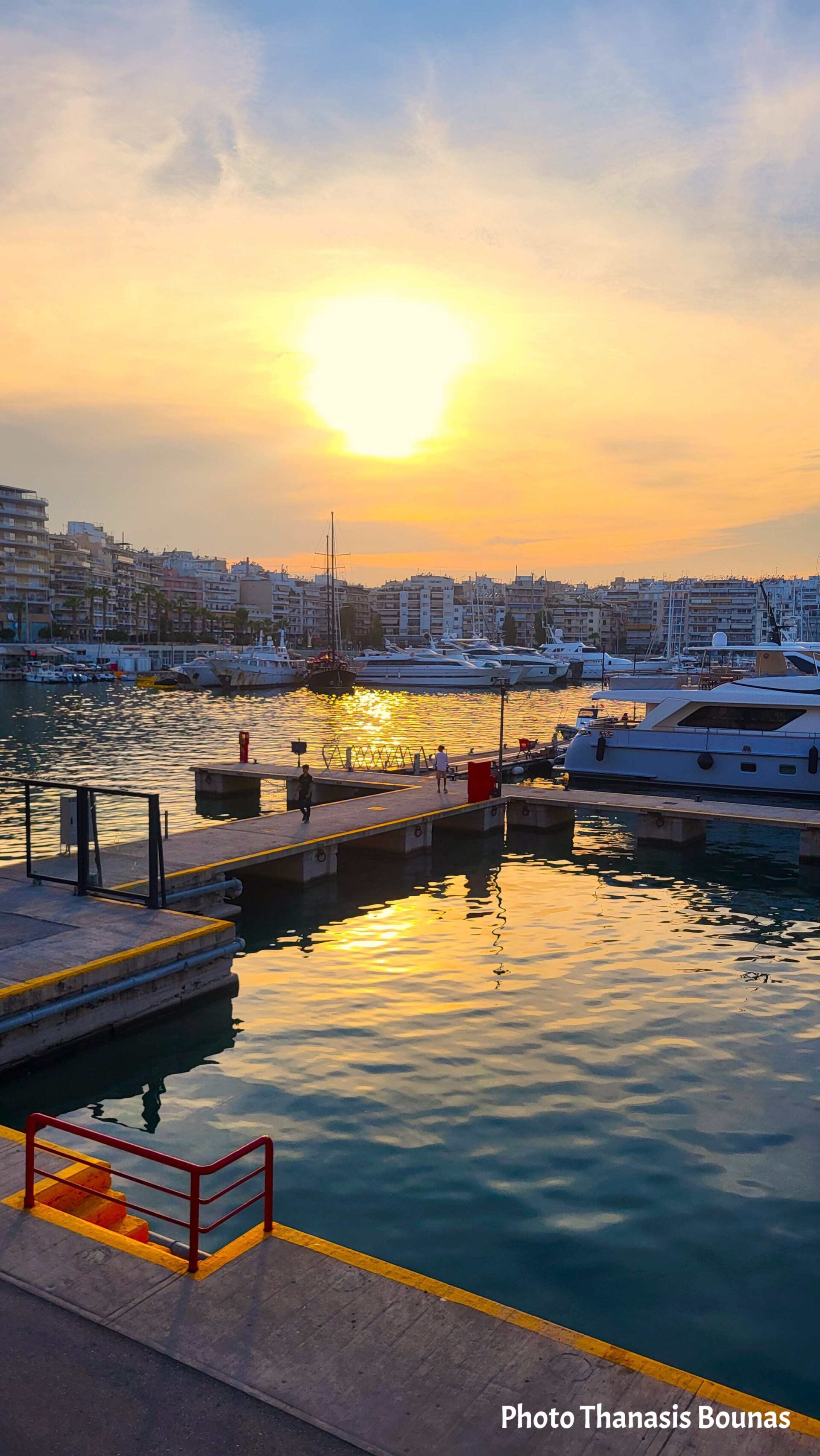
There is a particular feeling that comes with returning to a harbor after a journey at sea. The destination is familiar, the sails begin to come down, and the movement of open water slowly gives way to the quieter atmosphere of the marina.
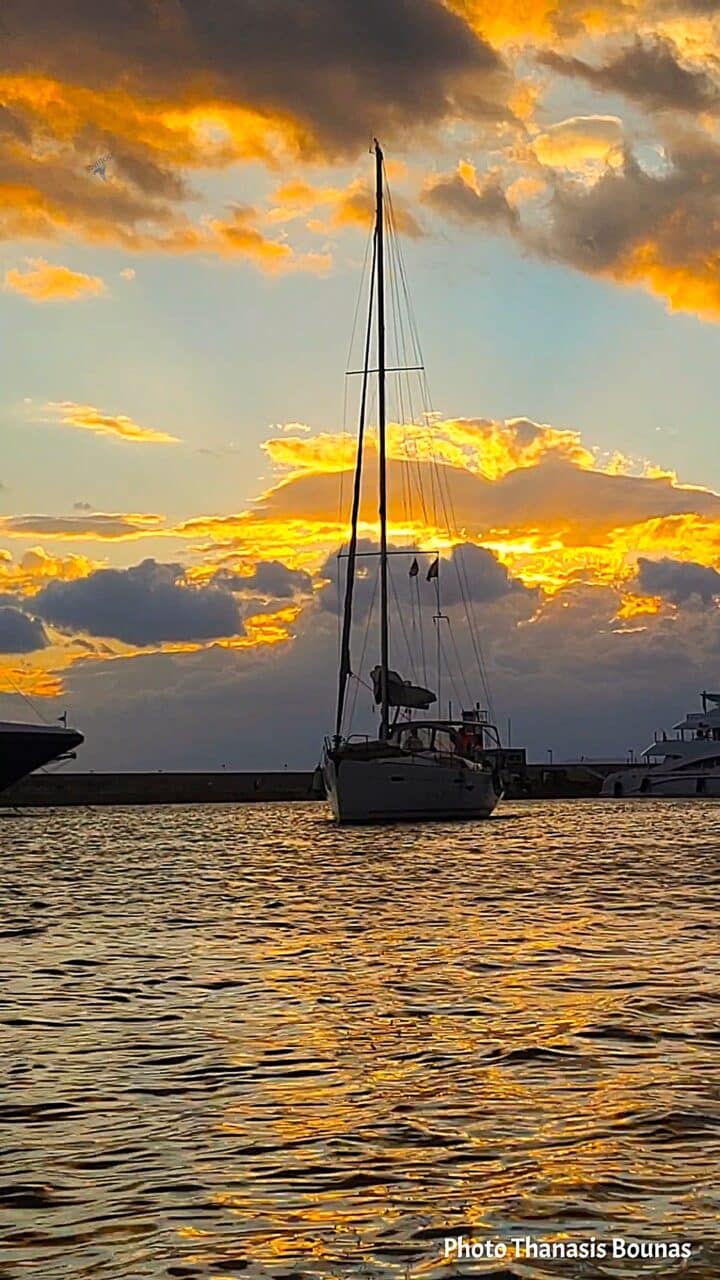
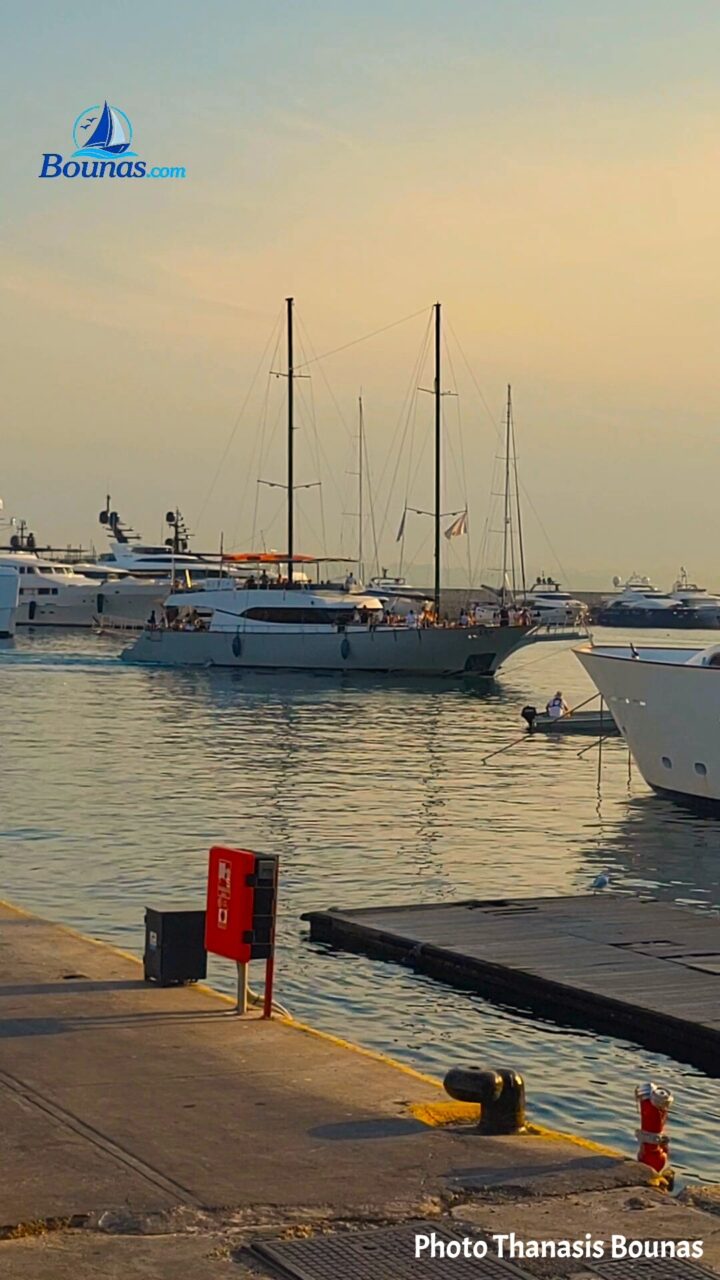
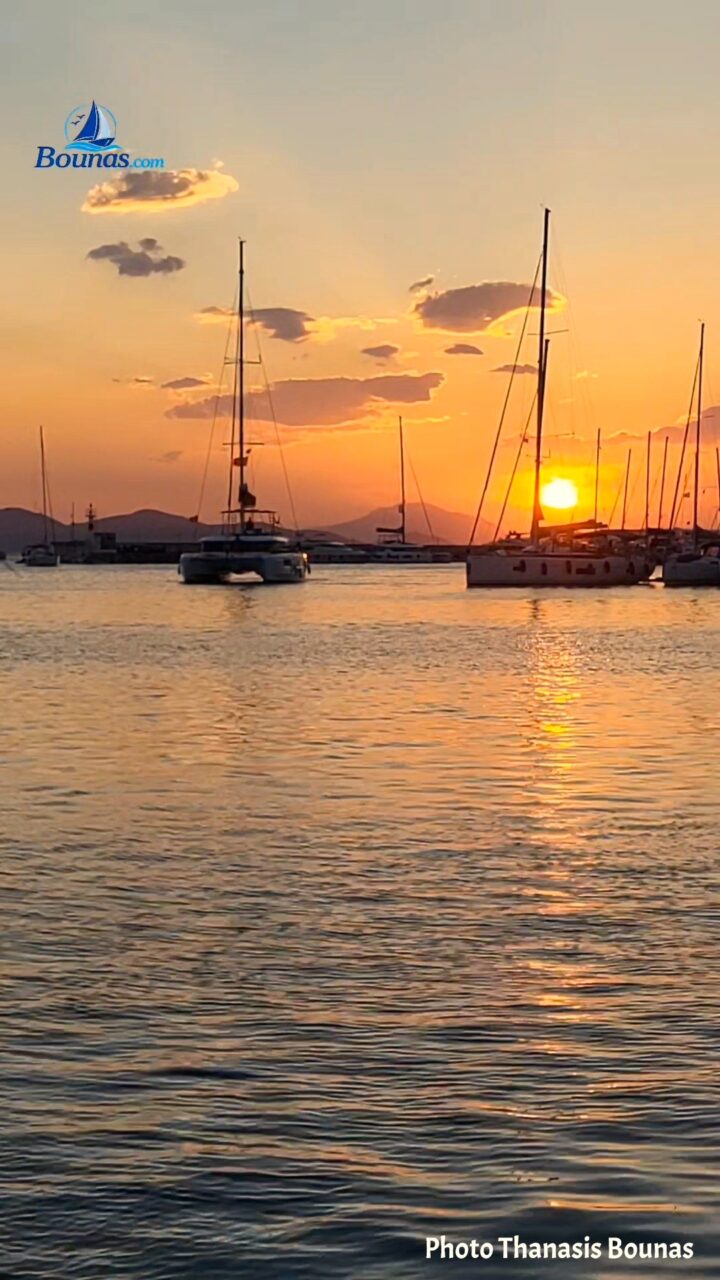
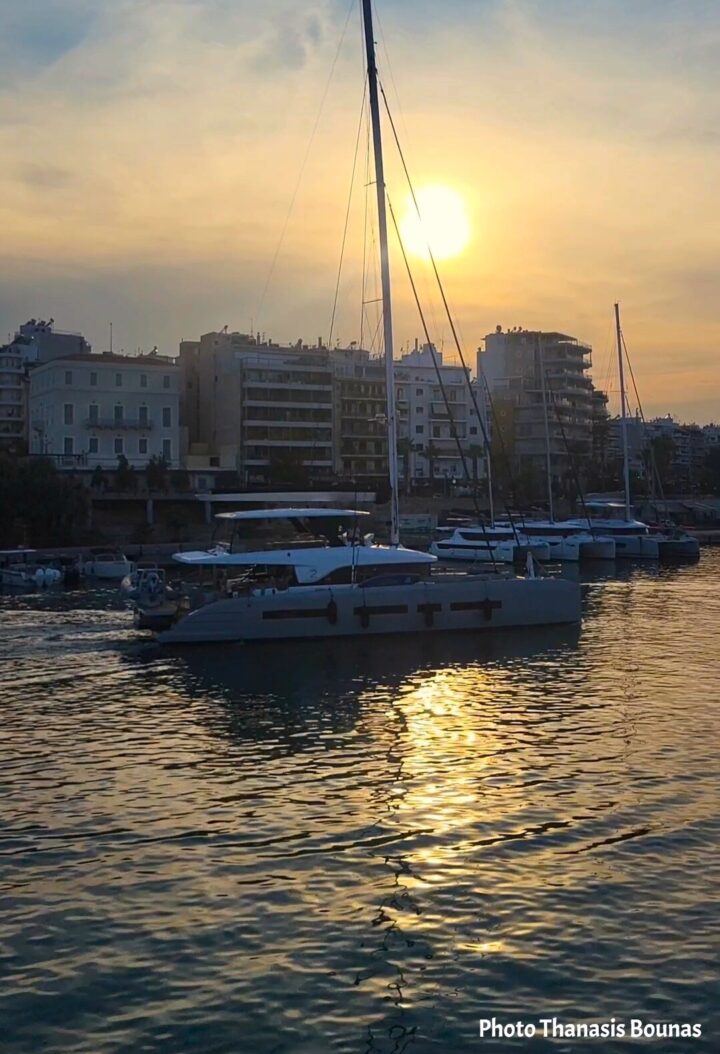
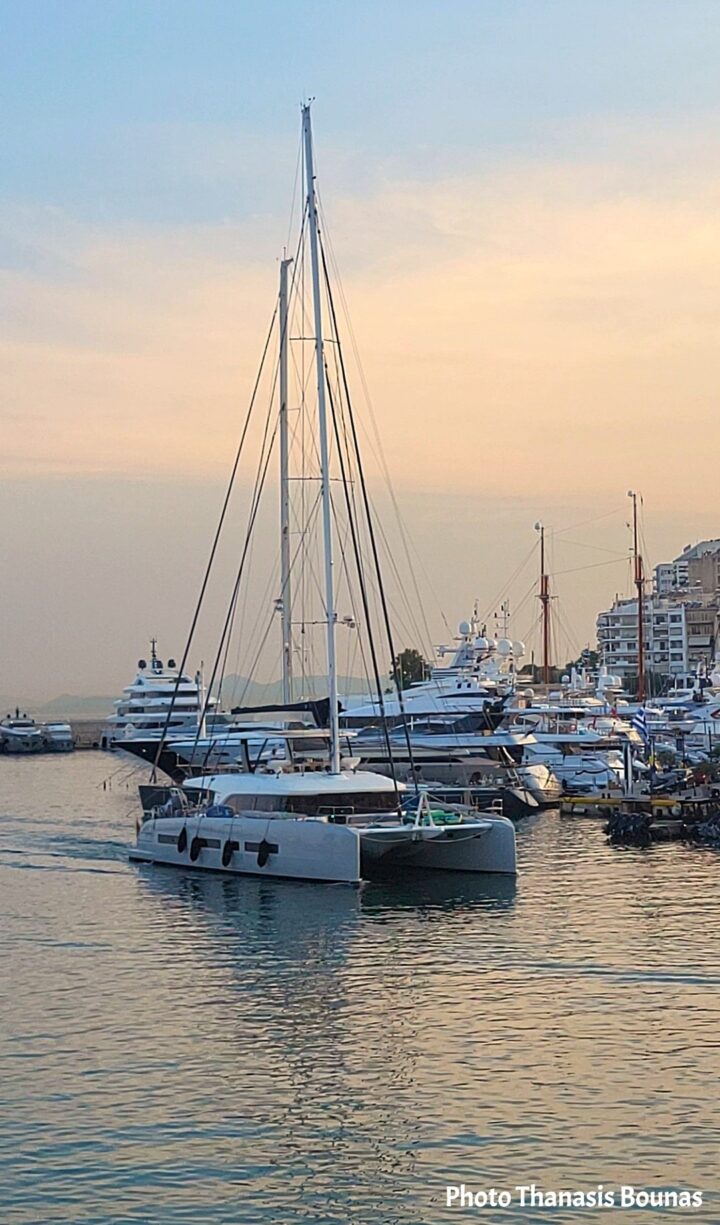
Returning to Marina Zeas in Piraeus at sunset is one of those moments. The last light spreads across the water, silhouettes of masts appear ahead, and Athens gradually feels close again.
Yet arriving here is more than simply reaching another marina. Zea has been connected with ships and the sea for thousands of years.
Returning to Marina Zeas, Piraeus.
Returning from the Sea to Piraeus
For anyone sailing around Greece, Piraeus represents both departure and return.
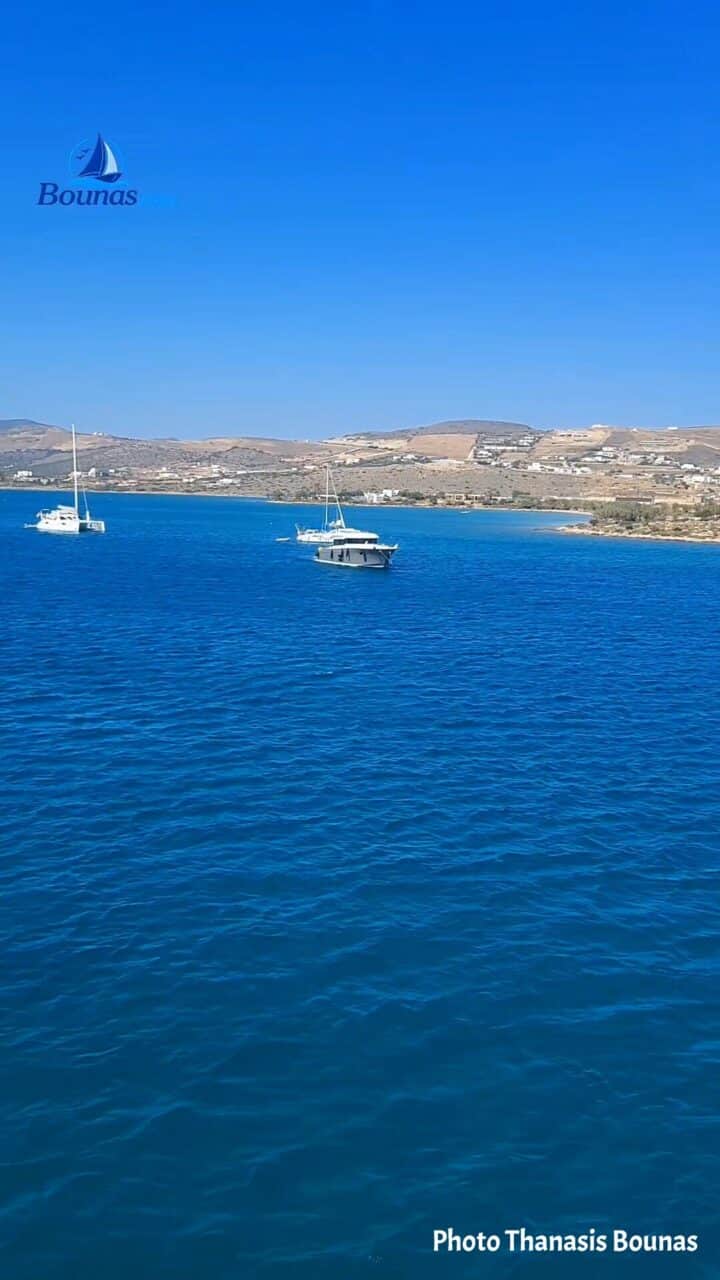
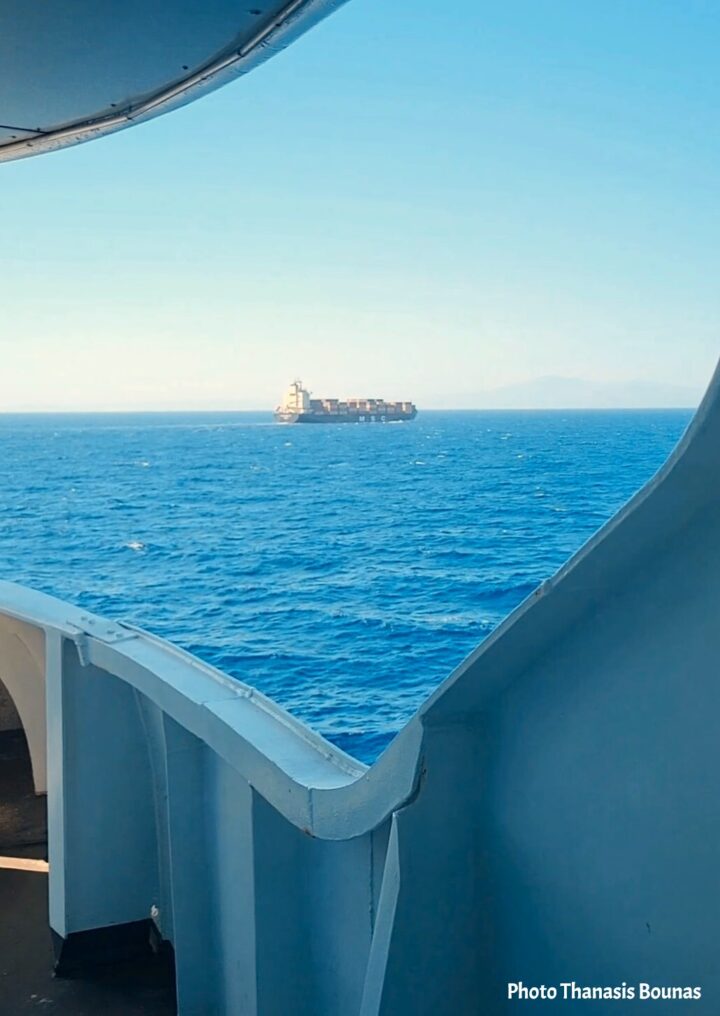
From this part of the Attic coastline, the sea opens toward the Saronic Gulf and eventually toward the countless islands of the Aegean. A sailing journey may lead toward Aegina, Poros and the Saronic islands, or continue much farther into the Cyclades and other parts of Greece.
Coming back reverses that experience.
The horizon gradually becomes urban. Buildings appear behind the coast, traffic and city life return, and eventually the protected waters of Marina Zeas replace the movement of the open sea.
For a sailor, those final minutes have their own rhythm. The journey is not quite finished, but the sea already feels different.
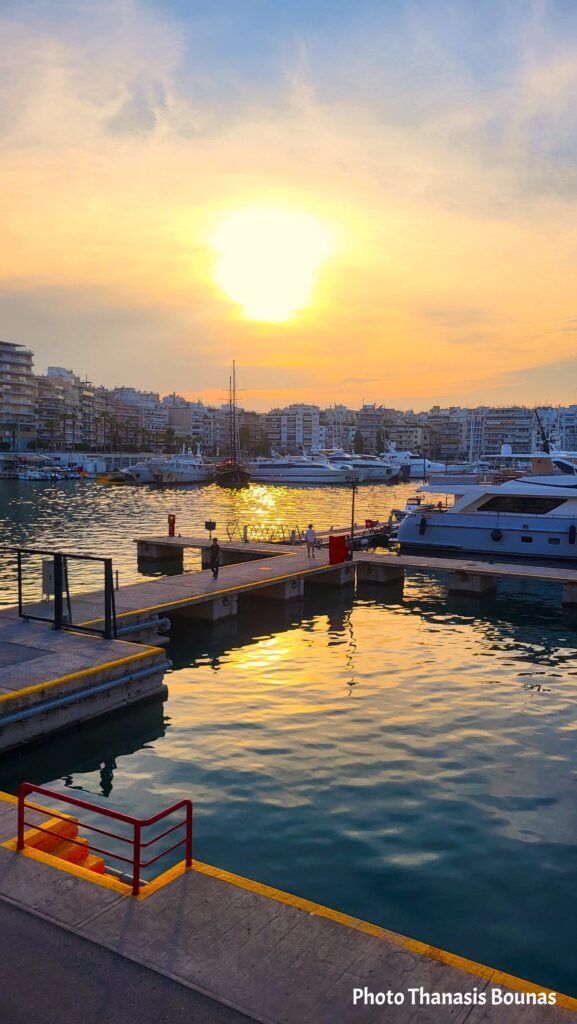
Marina Zeas at Sunset
Sunset changes the character of the harbor.
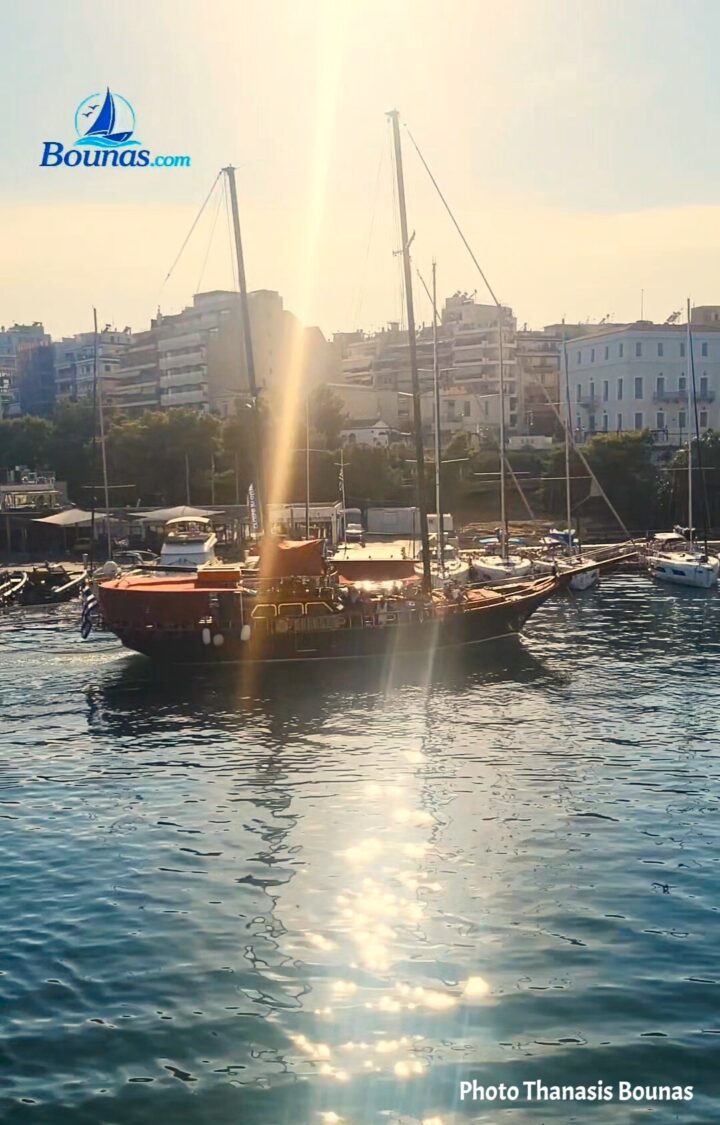
During the day, Marina Zeas is filled with movement, boats and the activity of Piraeus. In the evening, the light softens everything. Reflections stretch across the water while the masts of sailing boats form thin lines against the changing sky.
Arriving by sailboat makes the transition particularly noticeable.
After hours surrounded by sea and horizon, the marina feels enclosed and protected. The boat slows, preparations for docking begin, and the voyage becomes a collection of memories rather than a destination still ahead.
This is one of the quiet pleasures of sailing in Greece: sometimes the return to harbor can be as memorable as the islands themselves.
A Harbor with an Ancient Maritime Memory
The relationship between Zea and the sea reaches far beyond today’s marina.
In Classical Athens, Zea was one of the naval harbors of Piraeus and formed part of the enormous infrastructure that supported the Athenian fleet. Archaeological research has identified slipways dating probably to the early 5th century BC and later covered shipsheds built during that century.
These were not ordinary harbor buildings. Shipsheds allowed warships to be hauled from the water and protected while they were not in service. By the 4th century BC, the naval installations at Zea had developed into one of the great building complexes of the ancient world.
Remains of the ancient installations still survive around the harbor today, including traces of the ancient shipsheds.
It creates an extraordinary continuity: modern sailing boats enter waters where ships were being hauled ashore more than two thousand years ago.
Where Every Voyage Eventually Ends
A sailing journey is usually remembered through its departures — leaving the harbor, setting a course and watching the coastline disappear.
But every voyage also has a final approach.
At Marina Zeas, that return brings together two very different worlds. Behind the boat lies the sea and perhaps the Greek islands. Ahead lies Piraeus, Athens and everyday life.
And beneath that modern scene lies something much older: a harbor whose relationship with sailors stretches back to ancient Greece.
At sunset, when the boat finally enters the marina and the water becomes calm, that long history is almost invisible.
But it is there.