A Landmark by the Water
At Canada Place in Vancouver, the first thing you notice is the shape.
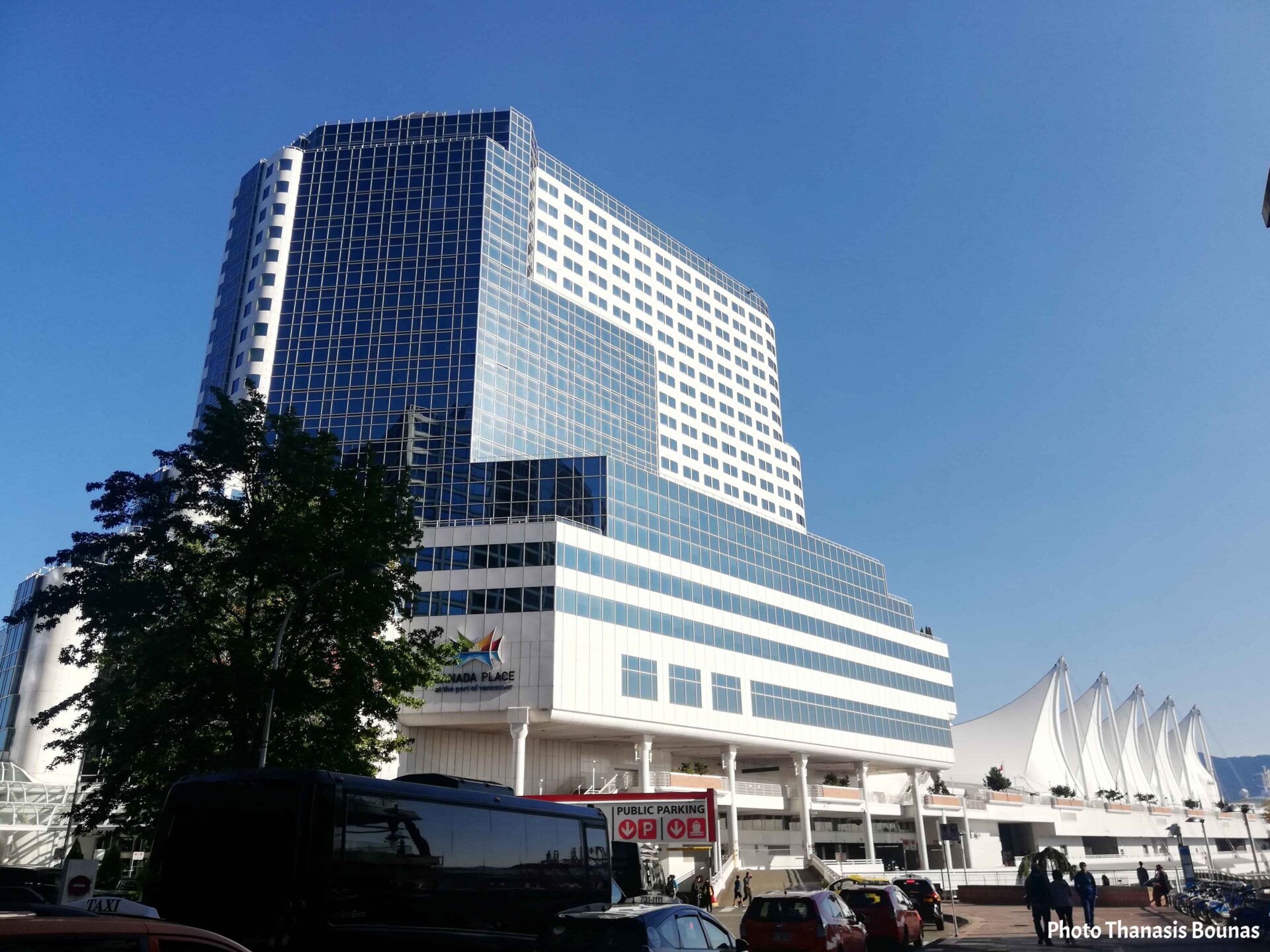
White sails rise above the waterfront, catching the light and defining the skyline. The structure doesn’t just sit by the harbor — it feels like part of it.
It doesn’t imitate a ship.
It suggests movement.
Built for a Moment That Changed the City
Canada Place was not originally designed to be permanent.
It was created as the Canada Pavilion for Expo 86, a world exposition that marked Vancouver’s transformation into an international city.
Opened in 1986, the structure quickly became one of the most visited sites of the event — and one of the few that remained after it ended.
What was temporary
became essential.
From Industrial Pier to Global Gateway
Before Canada Place existed, the site was something very different.
It was Pier B–C, a working port built in 1927 for the Canadian Pacific Railway, serving trans-Pacific ships and trade routes.
Over time, the city reimagined the waterfront:
- From cargo and industry
- To culture, tourism, and connection
Canada Place became one of the first major steps in that transformation.
Architecture Inspired by the Sea
The design is simple but powerful.
The iconic roof — five white fabric sails — was created to reflect Vancouver’s maritime identity and its relationship with the Pacific Ocean.
Today, the building hosts:
- A cruise terminal (gateway to Alaska)
- The Vancouver Convention Centre
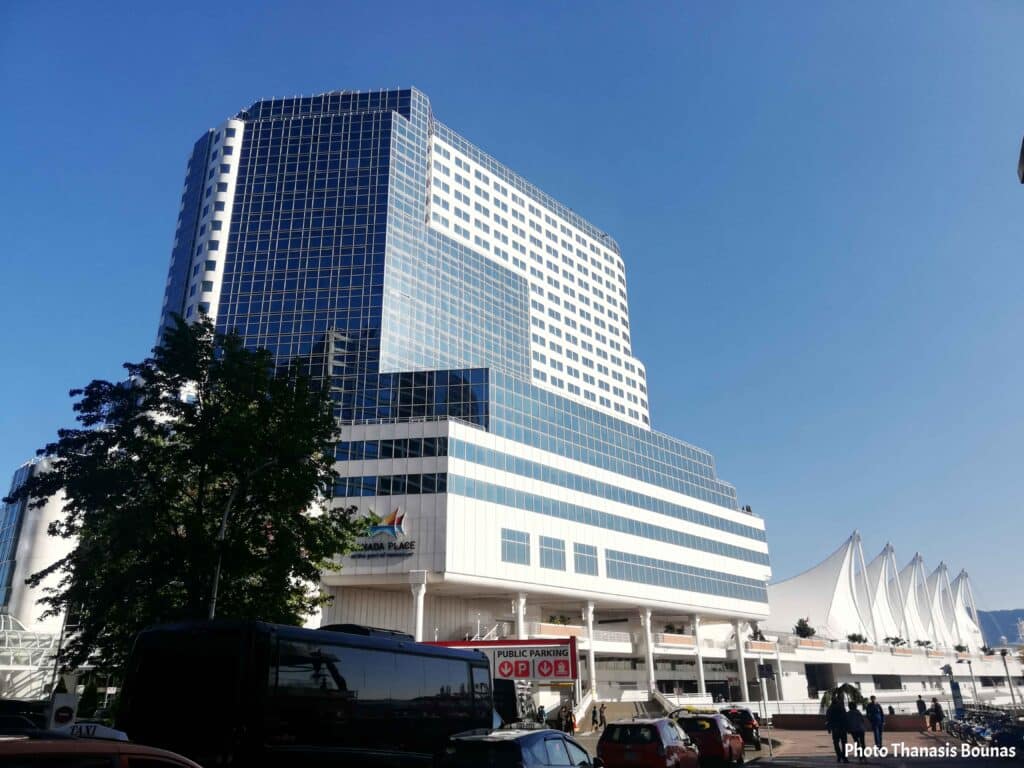
- The Pan Pacific Hotel
It is not just symbolic.
It is functional.
A Space That Connects the City
Canada Place does something few buildings manage:
It connects different worlds.
- Downtown meets the harbor
- Visitors meet locals
- Movement meets stillness
Walk along the promenade, and the city opens outward — toward water, mountains, and distance.
More Than a Building
Over time, Canada Place has taken on new roles.
It served as the main press center during the 2010 Winter Olympics, reinforcing its place at the center of global events.
But beyond events and architecture, it represents something quieter:
A turning point.
What Remains
Cities often change without a clear moment.
Here, the moment is visible.
Canada Place marks the shift from industrial Vancouver
to the city the world recognizes today.
And every time you see those sails,
you are looking at that transition — still standing.