There are many ways to experience Mykonos.
You can walk through its whitewashed streets, follow the coastline, discover its beaches or watch the evening light fall across the island.
But there is another view of Mykonos, Greece, that reveals its true relationship with the Cyclades.
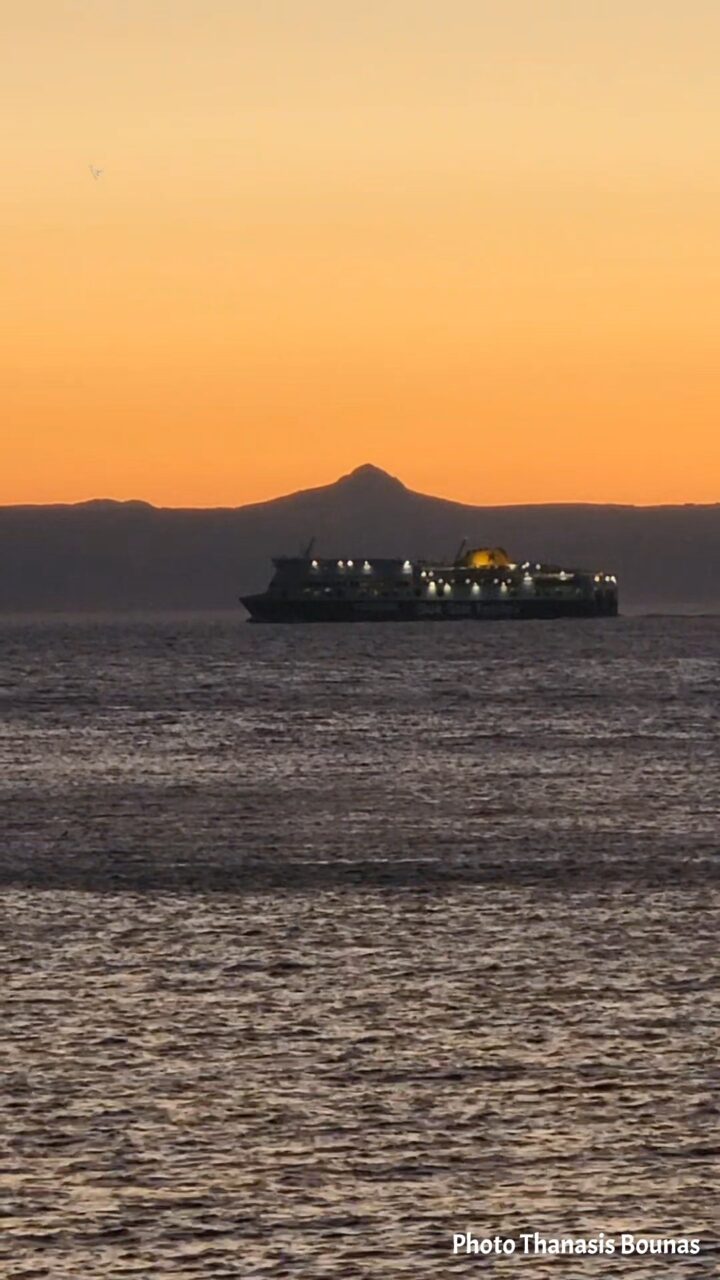
The view from the sea.
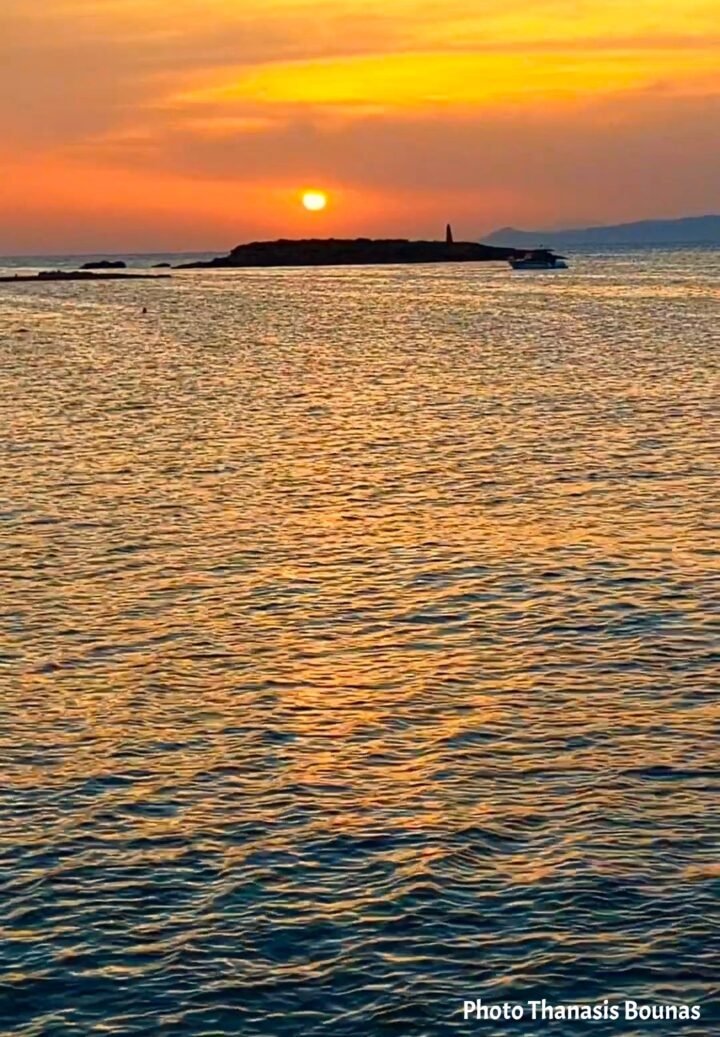
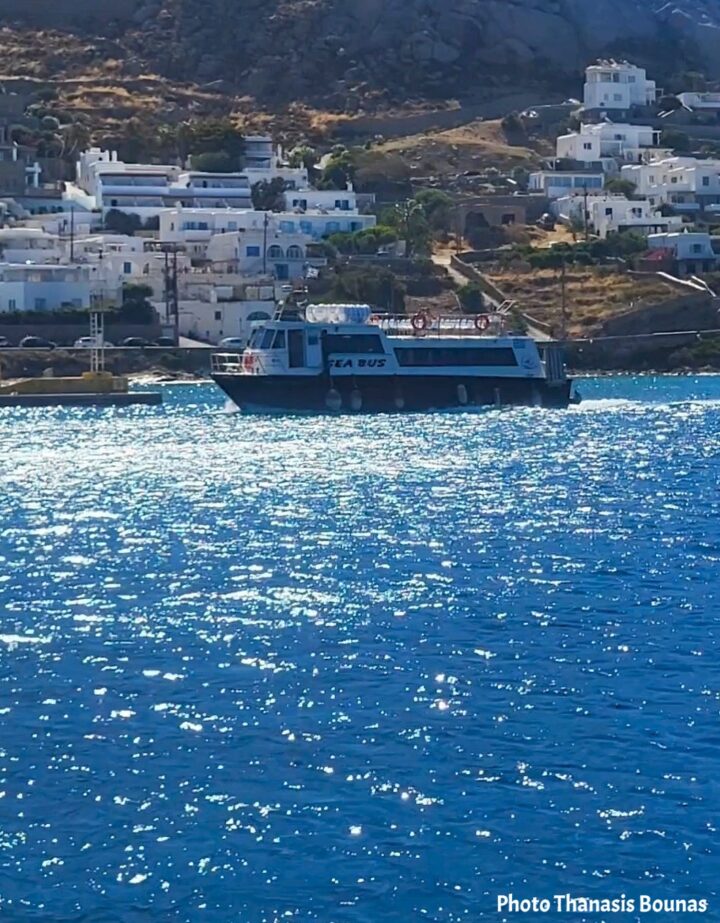
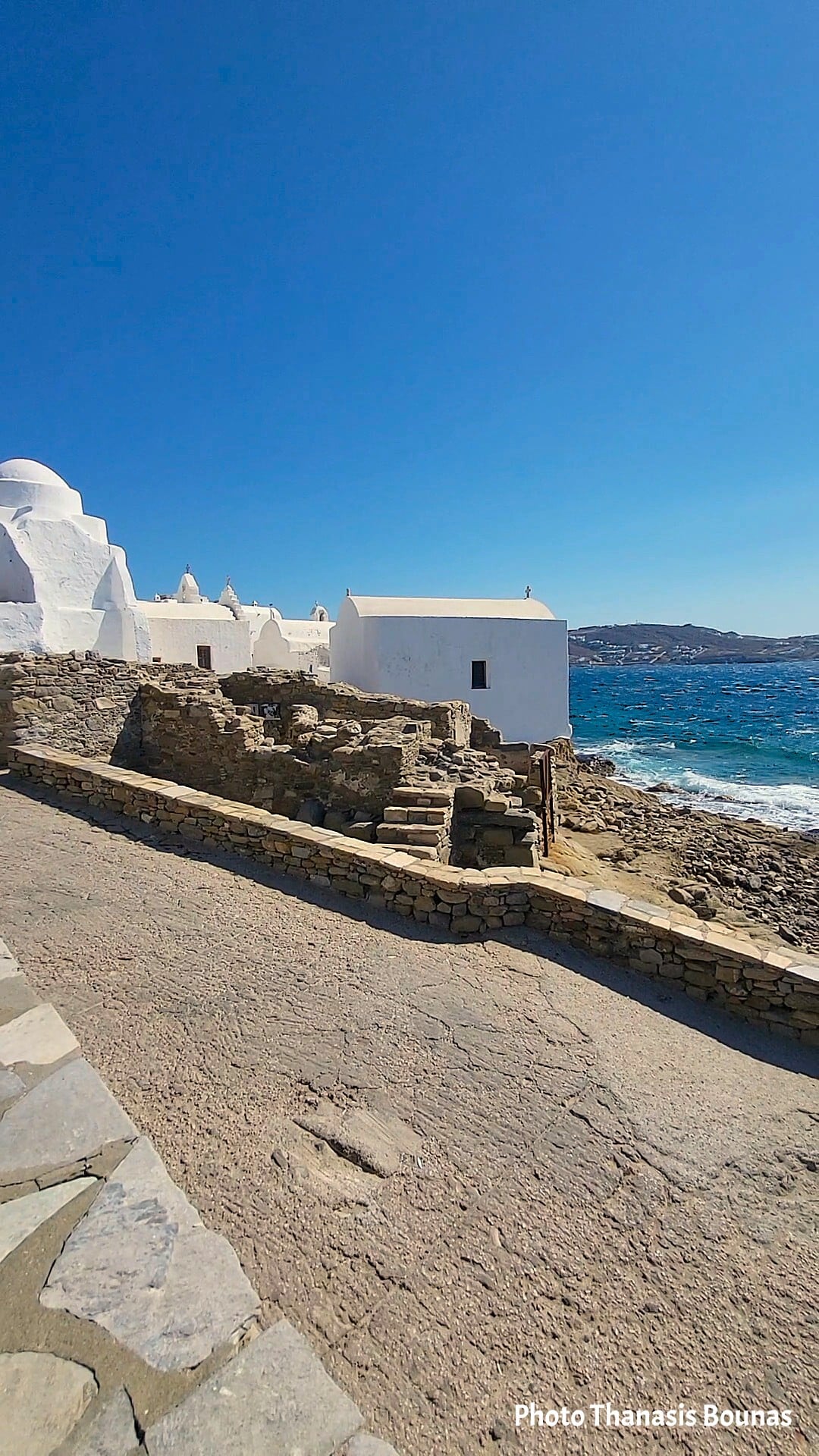
From the coastline, the white buildings seem almost carved into the dry hills, while the deep blue of the Aegean stretches toward the horizon.
The wind moves across the water.
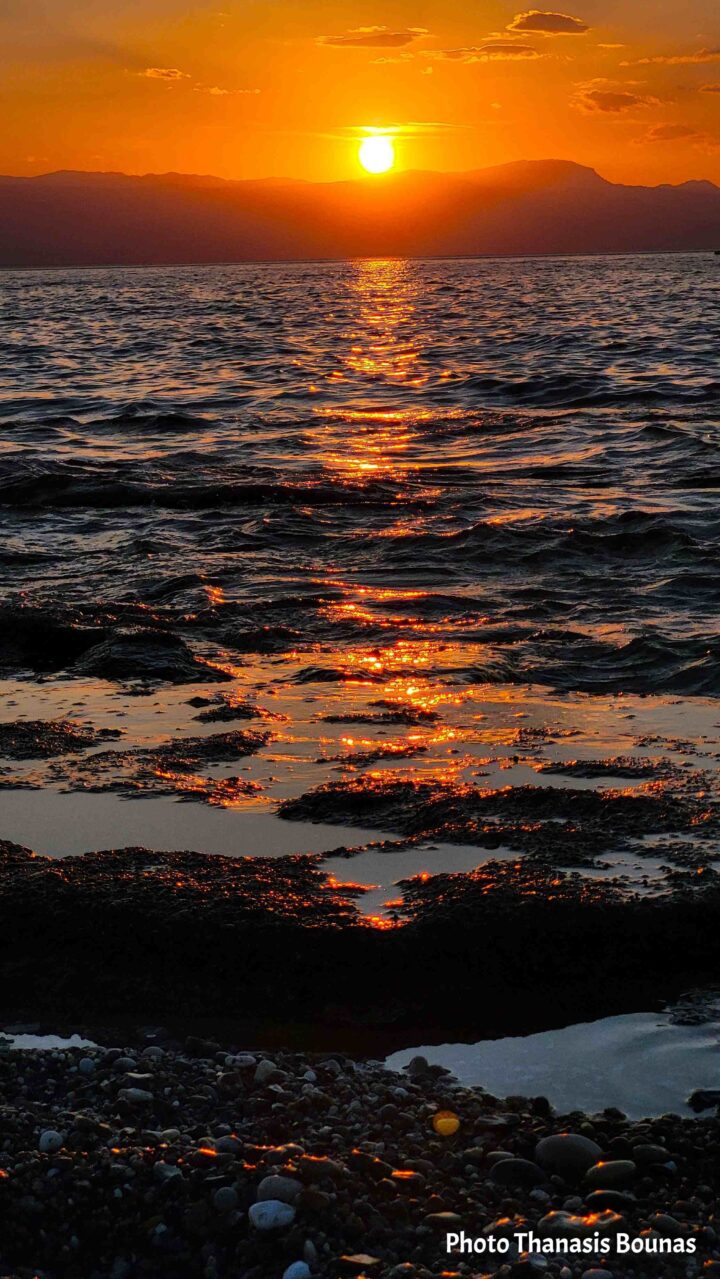
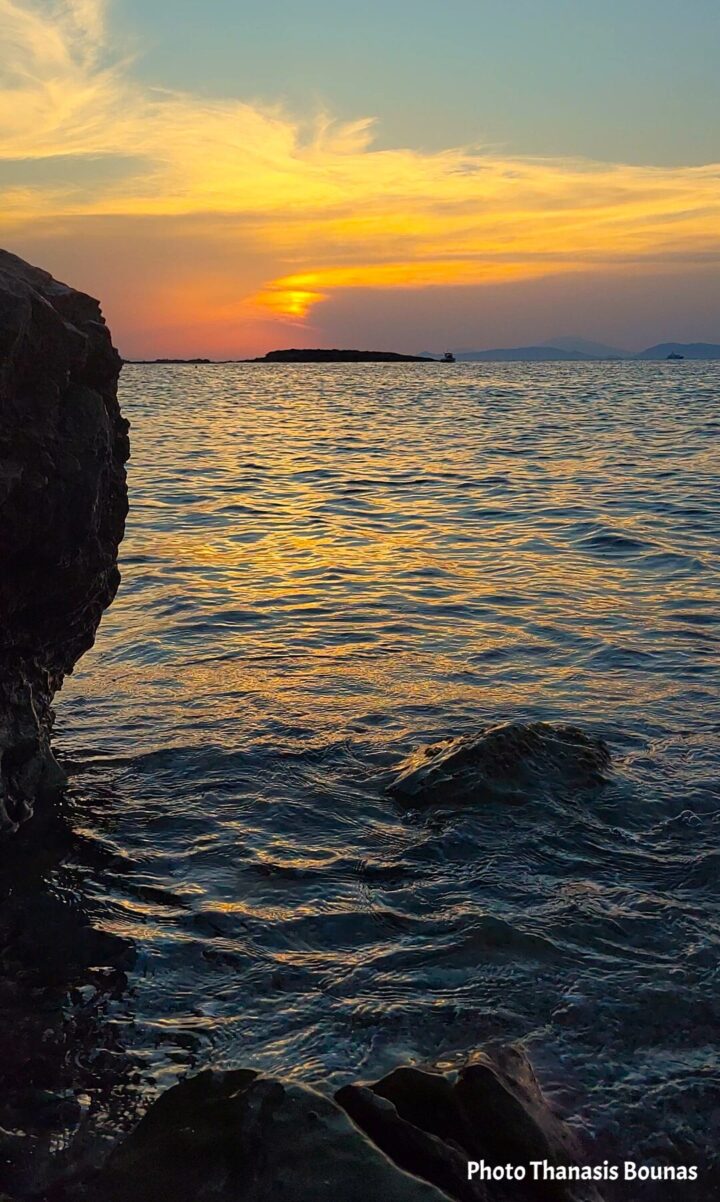
Waves break against the rocky shore.
And Mykonos becomes part of something much larger — the extraordinary island landscape of the Cyclades.
🌊 Mykonos | Cyclades, Greece
Mykonos from the Sea
Mykonos lies in the central Cyclades, surrounded by islands that have been connected by the Aegean for thousands of years.
Seen from the water, the island has a different character.
The famous white architecture remains visible, but the landscape becomes simpler.
Rock.
Sea.
Wind.
White houses scattered across the hills.
The contrast between the dry Cycladic terrain and the intense blue of the water is particularly striking.
For anyone travelling or sailing through these waters, this is an important part of experiencing Mykonos.
The island is not simply a destination.
It is part of the Aegean.
Mykonos and Delos
One of the most remarkable places near Mykonos is Delos.
Only a short journey across the water separates the modern energy of Mykonos from one of the most important sacred places of the ancient Greek world.
In antiquity, Delos became a major sanctuary dedicated principally to Apollo and Artemis and developed into an important religious and commercial center of the Aegean.
Today, the contrast between the two islands is extraordinary.
Mykonos is alive with modern island life.
Delos is largely silent, its ancient ruins exposed beneath the Cycladic sun.
From the sea, however, both belong to the same landscape.
And the short passage between Mykonos and Delos is a reminder that people were crossing these waters long before modern tourism arrived in the Cyclades.
Across the Islands of the Cyclades
Mykonos is only one chapter in a much larger journey through the Greek islands.
To the south and west, Paros offers harbors, beaches and a landscape closely connected with the sea, while neighboring Antiparos creates a quieter island world across the narrow channel separating the two.
Nearby Naxos, the largest island of the Cyclades, rises higher and greener in places, combining long beaches with mountainous interior landscapes.
To the west, Syros introduces an entirely different character. Its neoclassical architecture and maritime history distinguish it immediately from many of its Cycladic neighbors.
Farther north lies Andros, an island with mountains, valleys and a particularly strong seafaring tradition.
Then the landscape changes again as the journey moves toward the western and southern Cyclades.
Milos reveals the effects of its volcanic geology through extraordinary coastal formations and colors.
Nearby Kimolos offers a smaller and quieter landscape, while Folegandros rises dramatically above the Aegean with steep cliffs and a compact Cycladic character.
And among them all stands Mykonos.
Different islands.
Different histories.
One sea connecting them.
Sailing Between the Cyclades
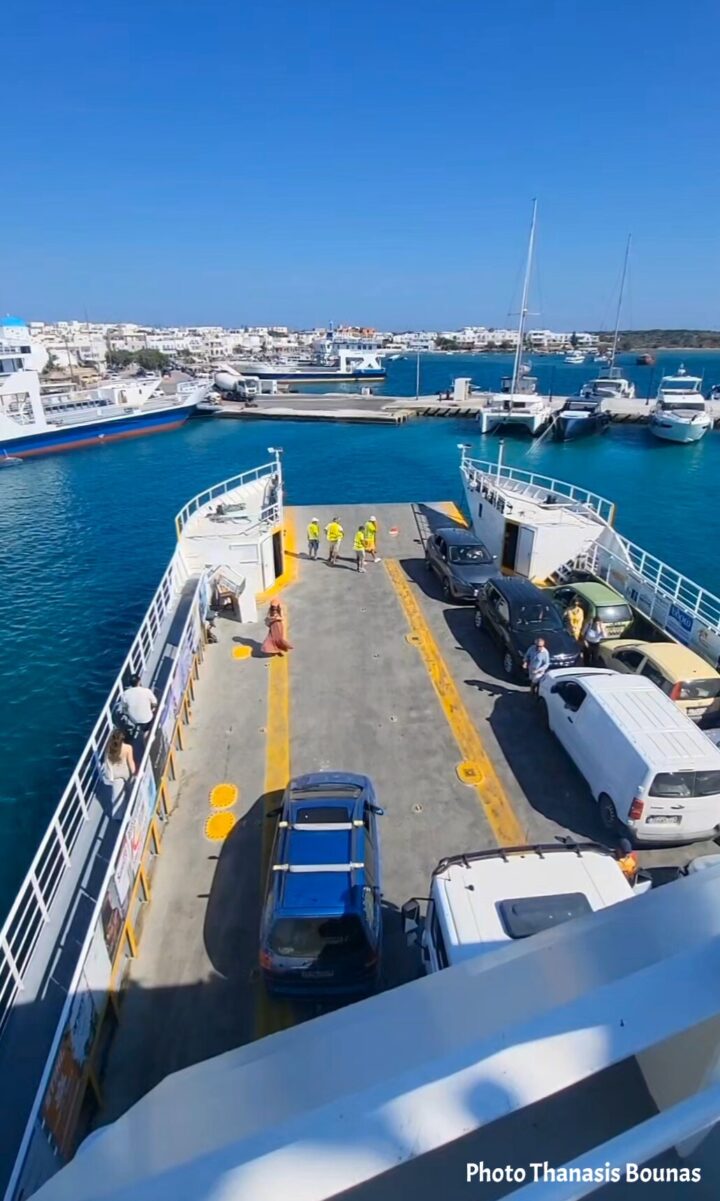
Travelling through the Cyclades by sea changes the way these islands are understood.
On a map, Mykonos, Delos, Paros, Antiparos, Naxos, Syros, Andros, Milos, Kimolos and Folegandros appear as separate destinations.
From a boat, the relationship between them becomes much clearer.
One island disappears behind you.
For a while there is only open water.
Then another coastline begins to appear on the horizon.
The passage itself becomes part of the experience.
Distances are measured not only in miles, but in changing winds, morning departures, afternoon light and the first sight of land ahead.
This is one of the great pleasures of sailing in Greece.
The sea is not the space between the destinations.
The sea is part of the destination.
A Quiet Side of Mykonos
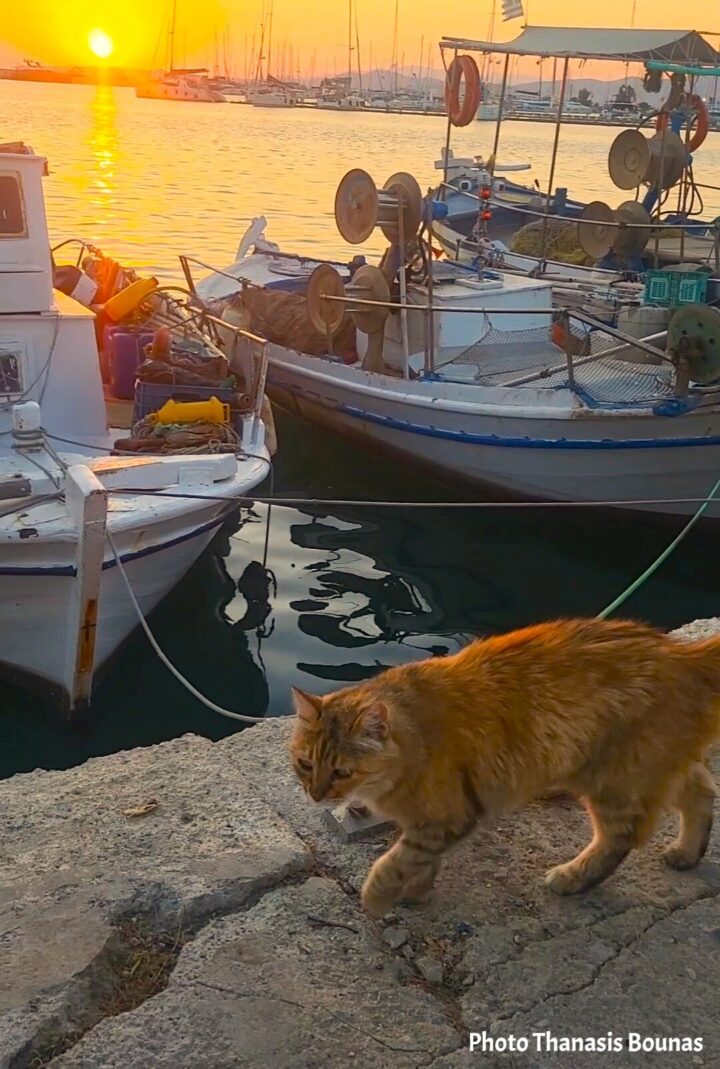
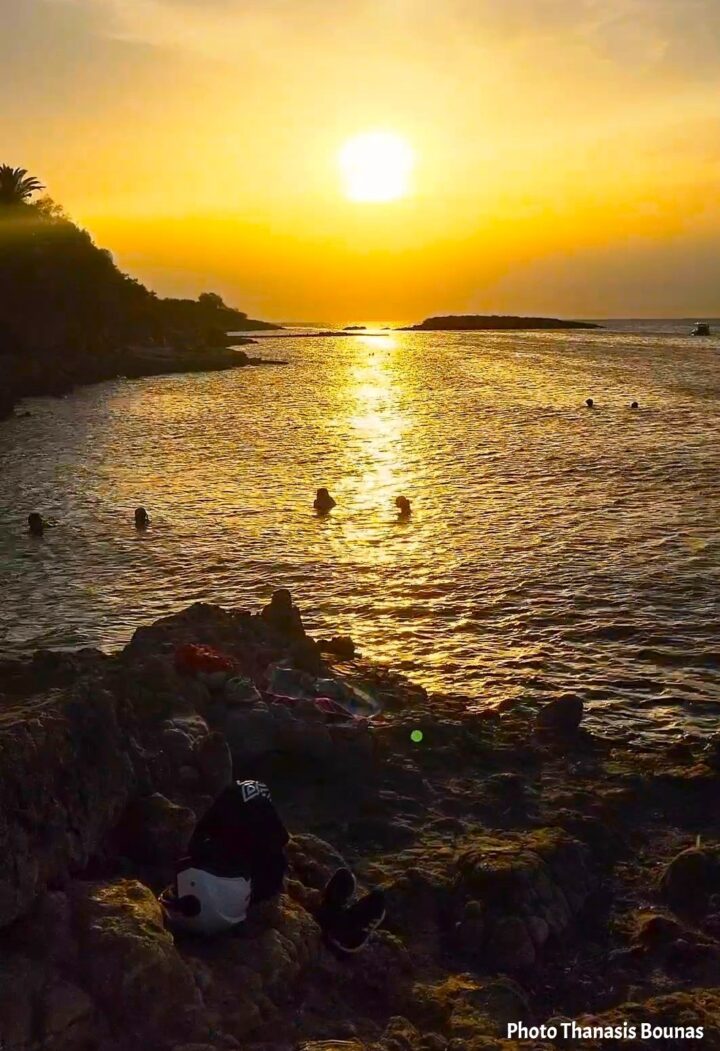
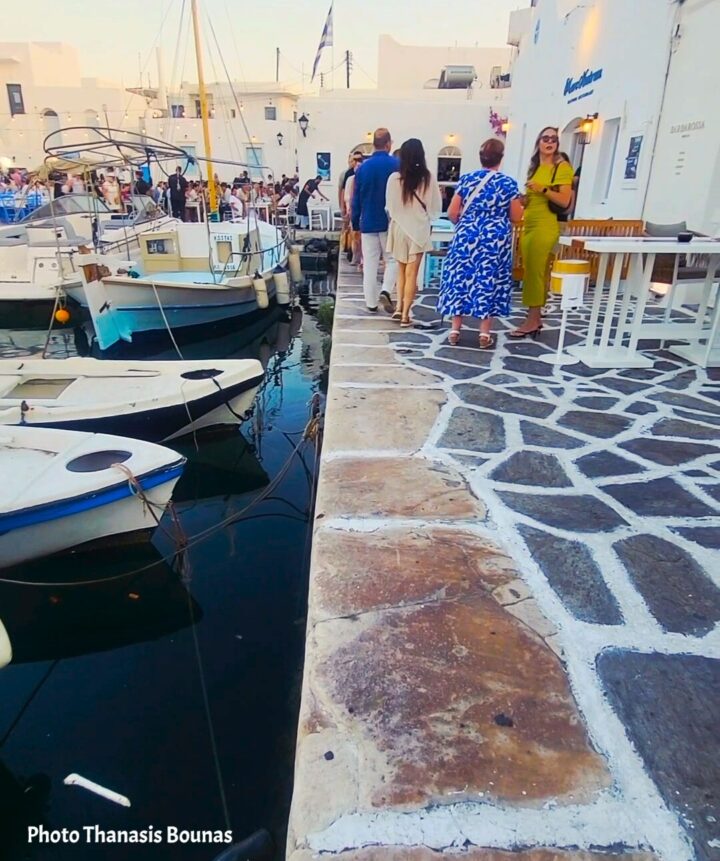
Mykonos is famous for its energy, but the island also has quieter moments.
They can be found early in the morning, beside the sea, along less crowded sections of coastline or simply by watching the island from the water.
In those moments, the familiar image of Mykonos changes.
There is no need for crowds or famous landmarks.
The white houses are in the distance.
The waves move toward the shore.
The blue Aegean fills most of the view.
And suddenly Mykonos feels less like one of the world’s best-known Greek islands and more like what it has always been:
an island in the middle of the Cyclades, surrounded by sea.
FAQ
Where is Mykonos in Greece?
Mykonos is an island in the central Cyclades in the Aegean Sea.
Which Cycladic island is closest to Mykonos?
Delos lies immediately southwest of Mykonos and can be reached by a short sea journey. Other nearby Cycladic islands include Tinos, Syros, Naxos and Paros.
Can you explore Mykonos by sea?
Yes. Seeing Mykonos from the water offers a different perspective on its rocky coastline, beaches, whitewashed settlements and wider position within the Cyclades.
Which other Cyclades islands can be combined with Mykonos?
A wider journey through the Cyclades can connect Mykonos with islands including Delos, Paros, Antiparos, Naxos, Syros and Andros, while longer routes can continue toward Milos, Kimolos and Folegandros.