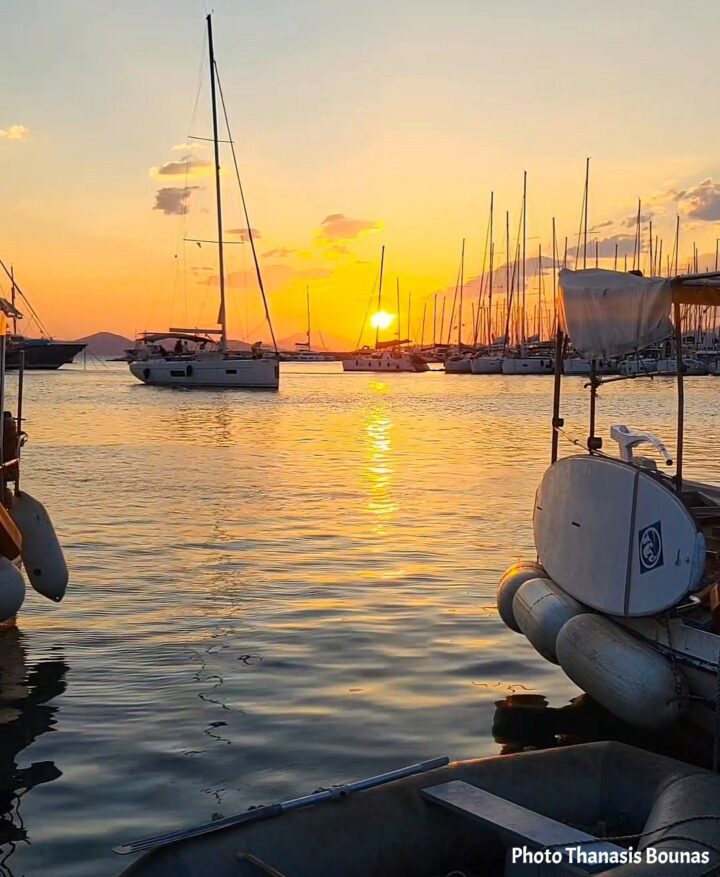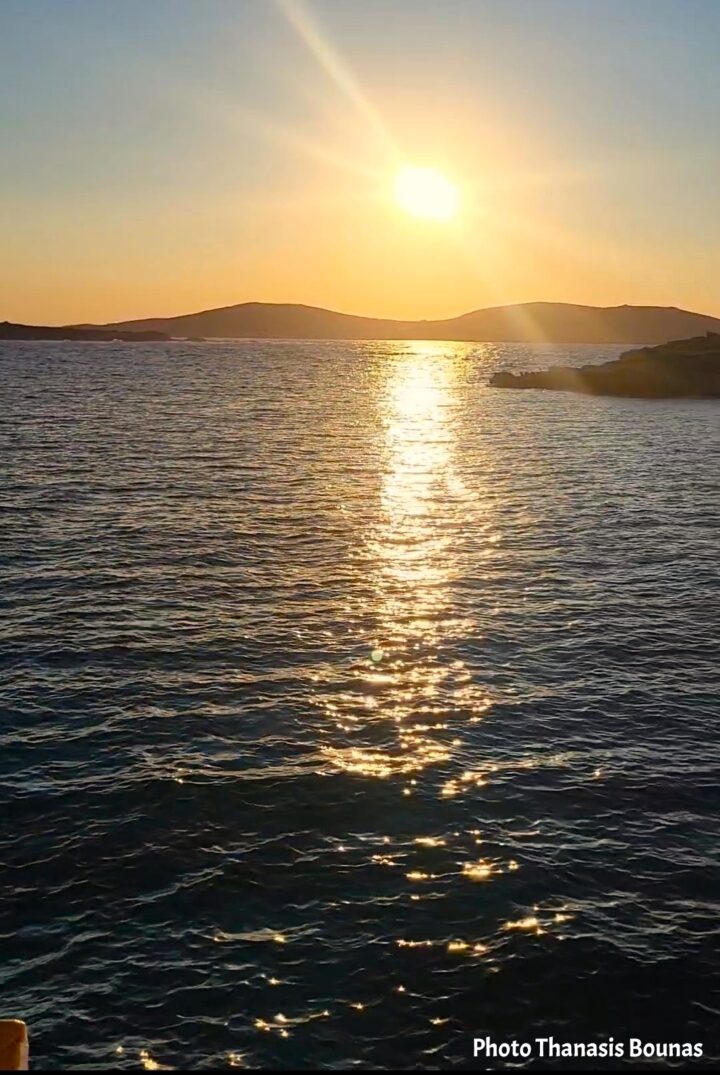
There is a particular feeling that comes with leaving a Greek island.
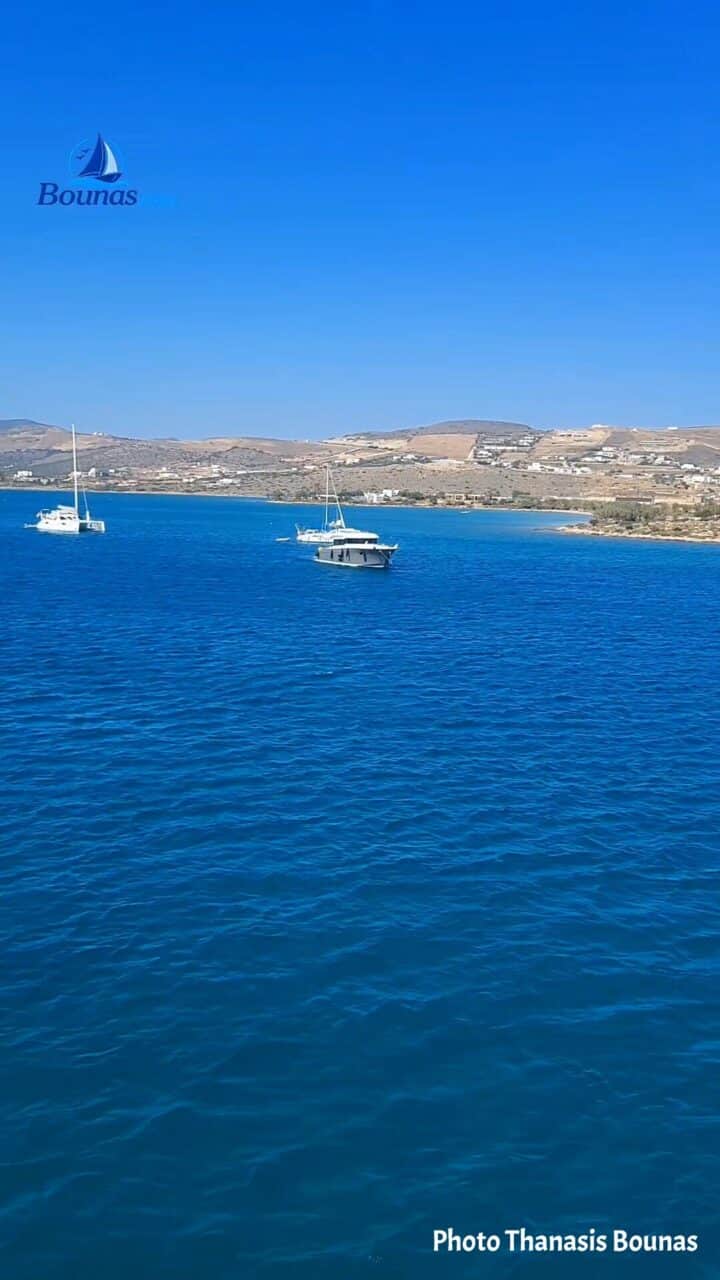
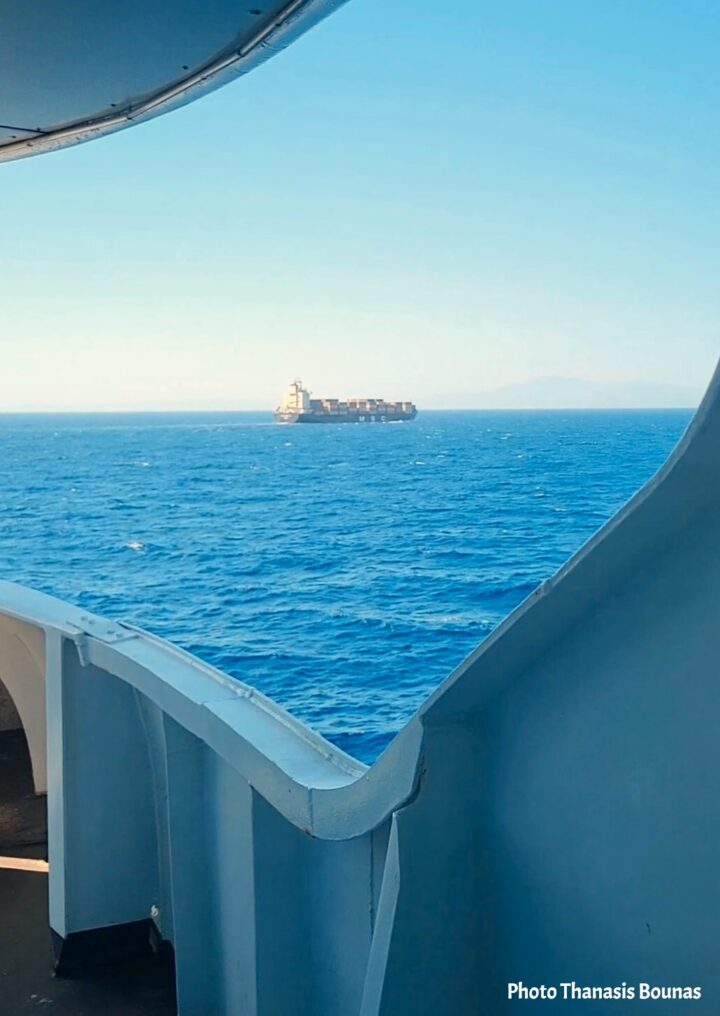
The harbor slowly falls behind, the coastline becomes smaller, and the open sea once again takes over the horizon.
Leaving Nisyros is one of those moments.
After spending time on an island shaped by volcanic landscapes, traditional villages and the waters of the Dodecanese, the return journey across the Aegean becomes part of the experience itself.
As the daylight begins to fade, sailing away from the island offers one last quiet connection with Nisyros.
Returning from Nisyros
Nisyros – An Island Shaped by a Volcano
Nisyros is one of the most distinctive islands of the Dodecanese.
Its landscape has been shaped by volcanic activity, and the island belongs to the active volcanic arc of the southern Aegean.
At its heart lies the impressive volcanic caldera, with the Stefanos crater providing one of the clearest reminders of the geological forces beneath this part of Greece.
Nisyros also has a long human history. Ancient remains reveal that the island was inhabited thousands of years ago, while the fortified walls of ancient Nisyros still survive above Mandraki.
In 1948, together with the rest of the Dodecanese, Nisyros officially became part of Greece.
Yet history and geology are only part of its character.
From Mandraki to the Open Sea
Mandraki is one of those island settlements that looks particularly beautiful from the water.
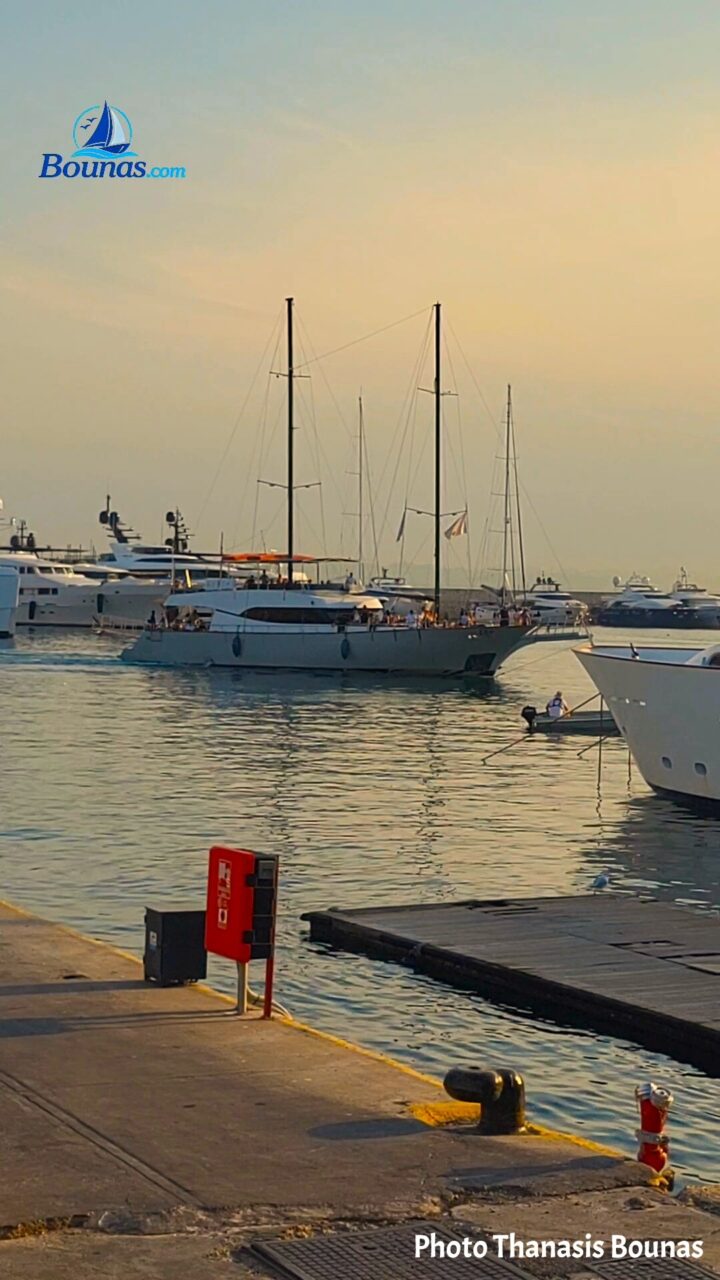
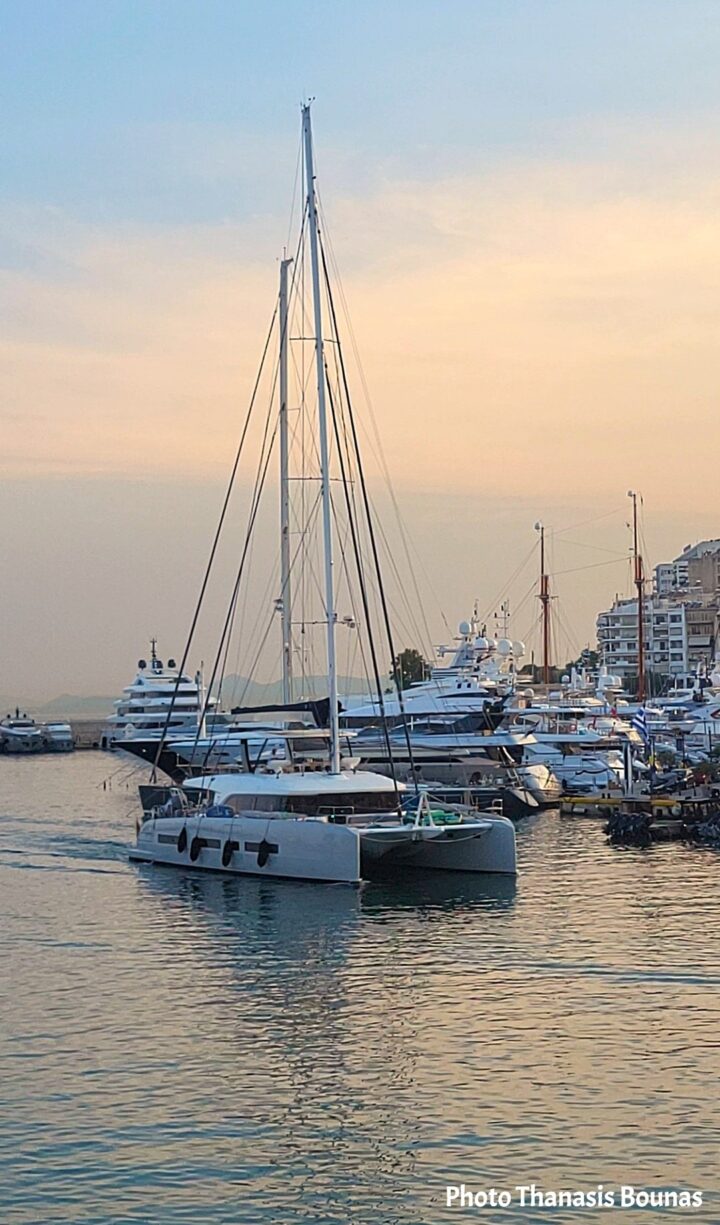
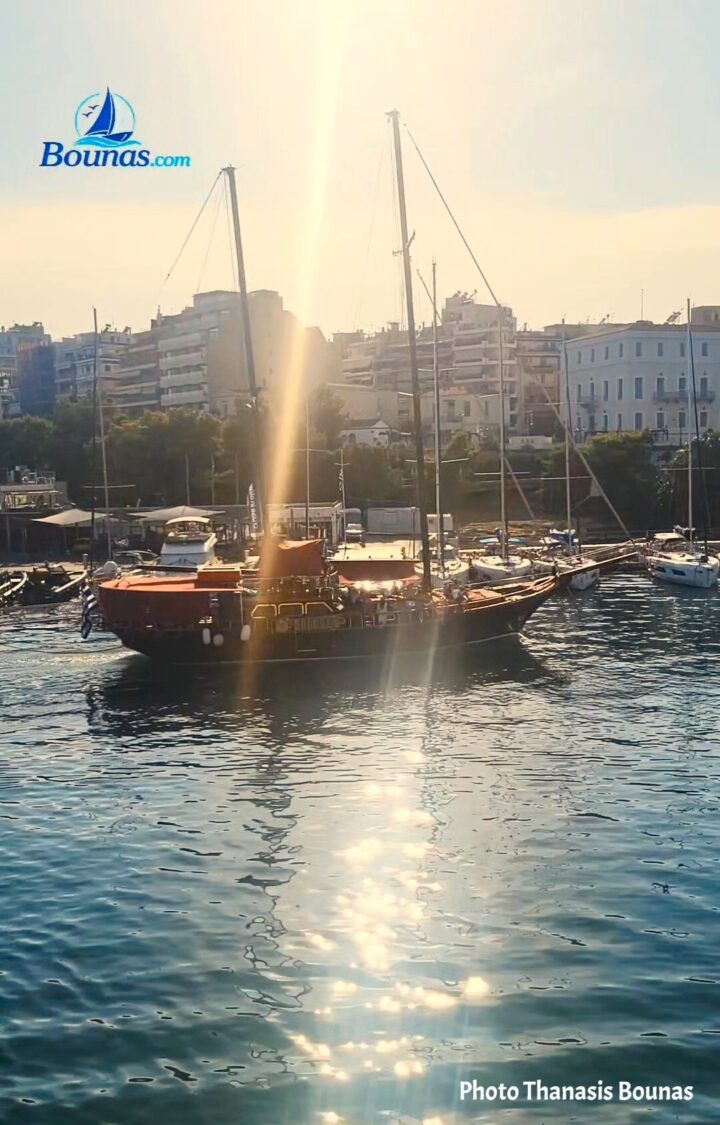
White houses climb beneath the surrounding hills while fishing boats and sailing boats move through the harbor.
But eventually comes the moment to leave.
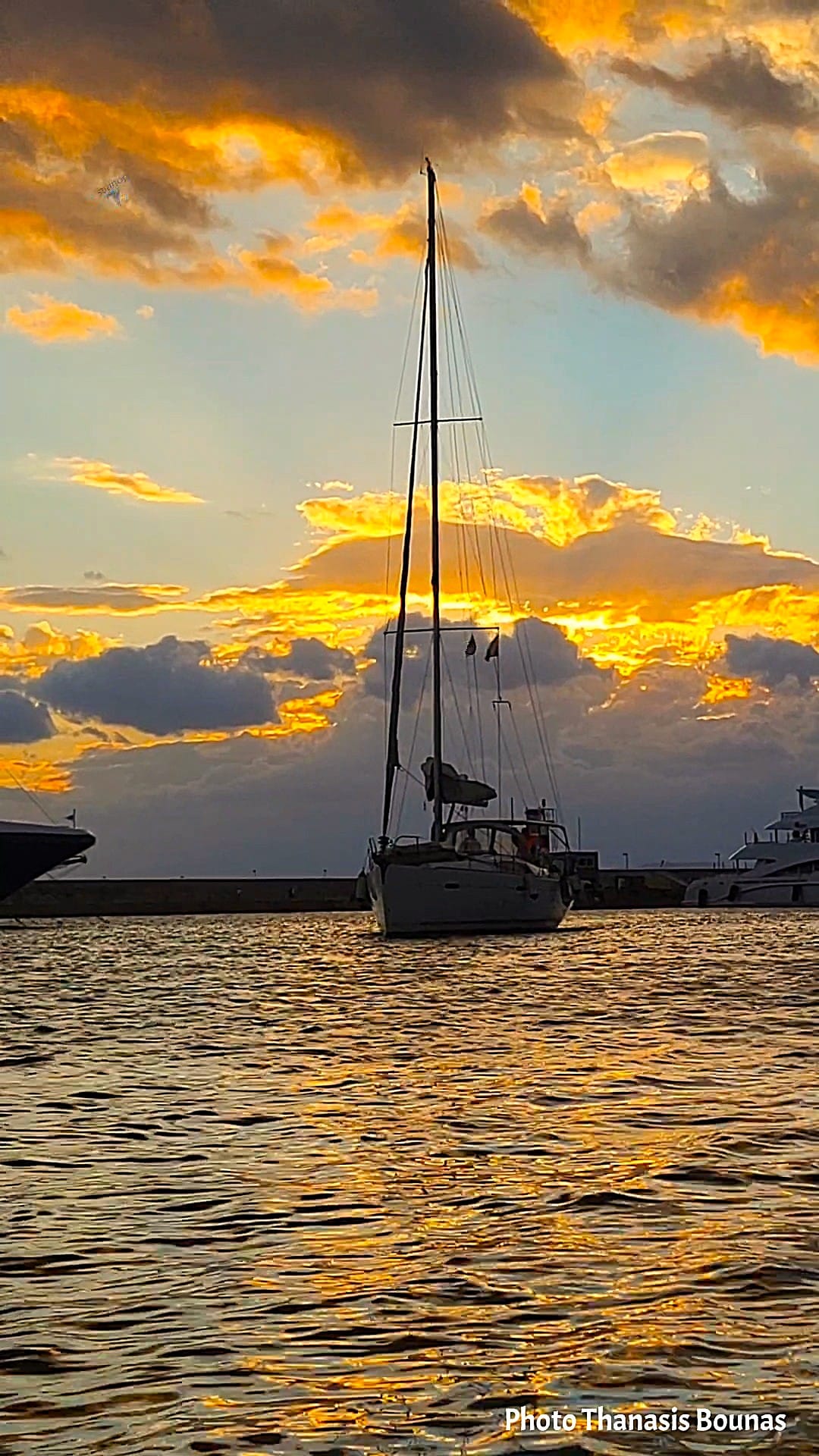
From the deck of a boat, Nisyros slowly changes from a landscape filled with details into a dark silhouette against the horizon.
For anyone exploring Greece by sea, these departures can become as memorable as the arrivals.
There is no need to rush.
The sound of the water, the movement of the boat and the changing evening light are enough.
Sailing Through the Dodecanese
Nisyros is also part of a much larger island journey.
Across the Dodecanese, every passage leads to somewhere different.
Kos lies nearby, while journeys through these waters can connect Nisyros with Tilos, Rhodes, Kalymnos, Leros, Patmos, Lipsi, Astypalaia and Karpathos.
Some islands are mountainous and rugged. Others are quiet and low-lying. Some carry famous historical monuments, while others are remembered for a small harbor or an empty beach.
Sailing between them reveals something that is difficult to experience entirely from land: the geographical relationship between the islands themselves.
The Dodecanese become not simply individual destinations, but parts of one continuous Aegean landscape.
When the Journey Becomes the Memory
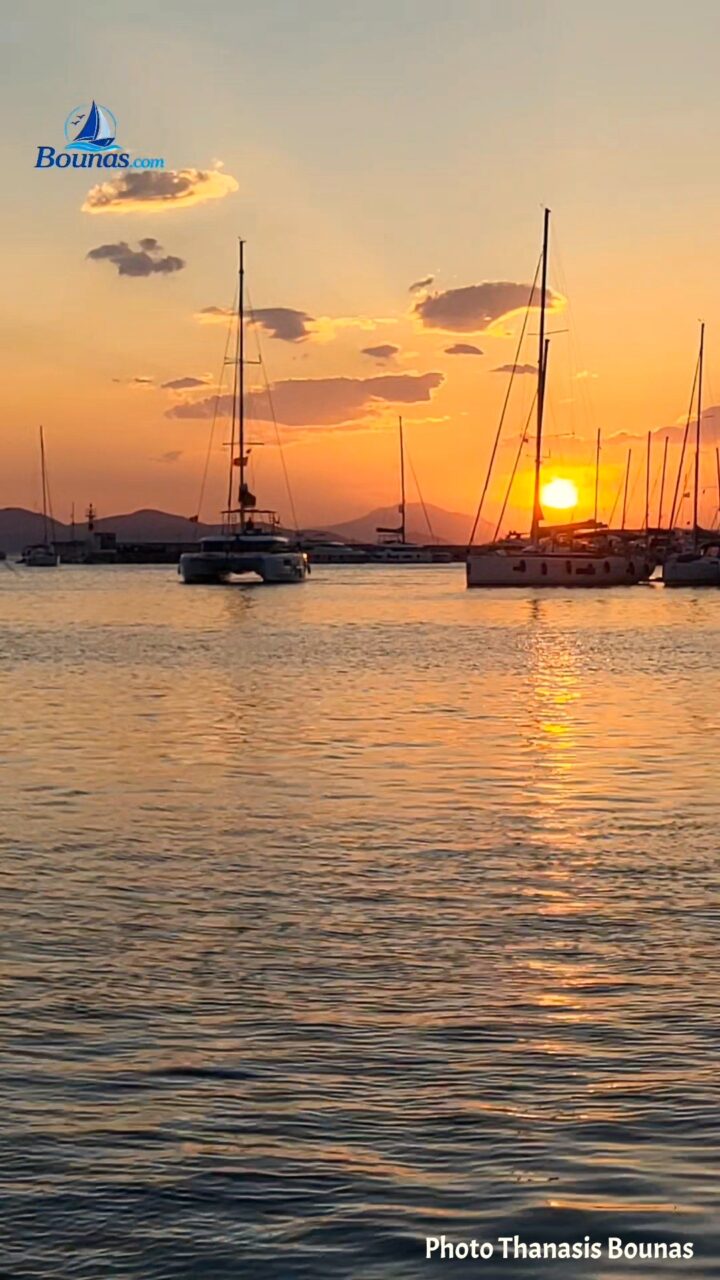
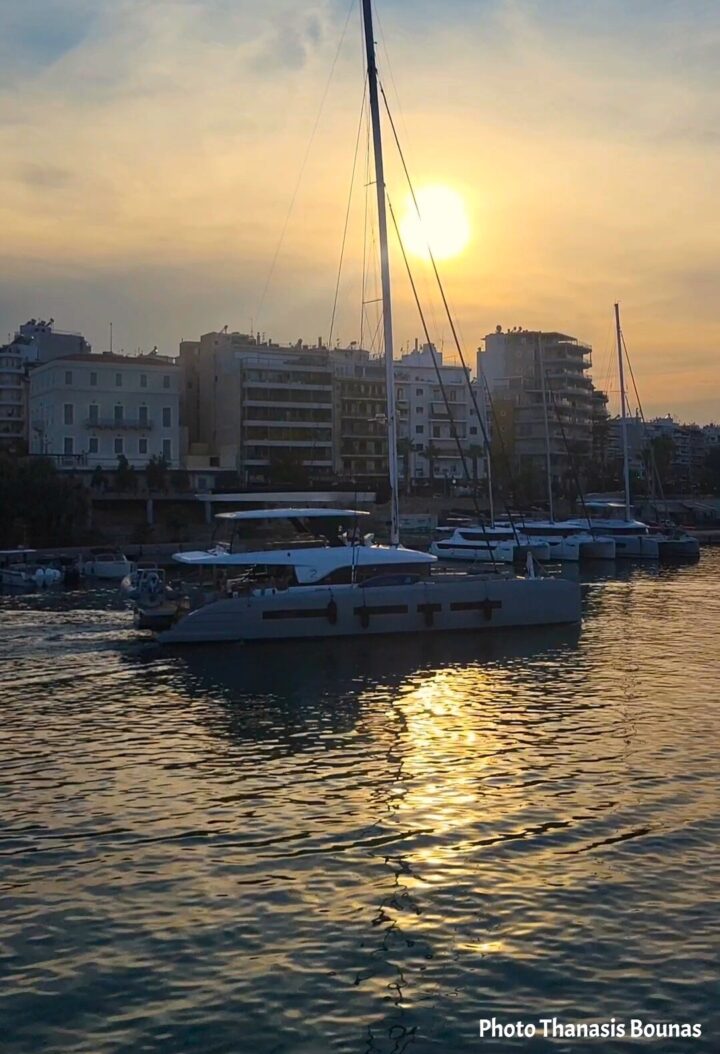
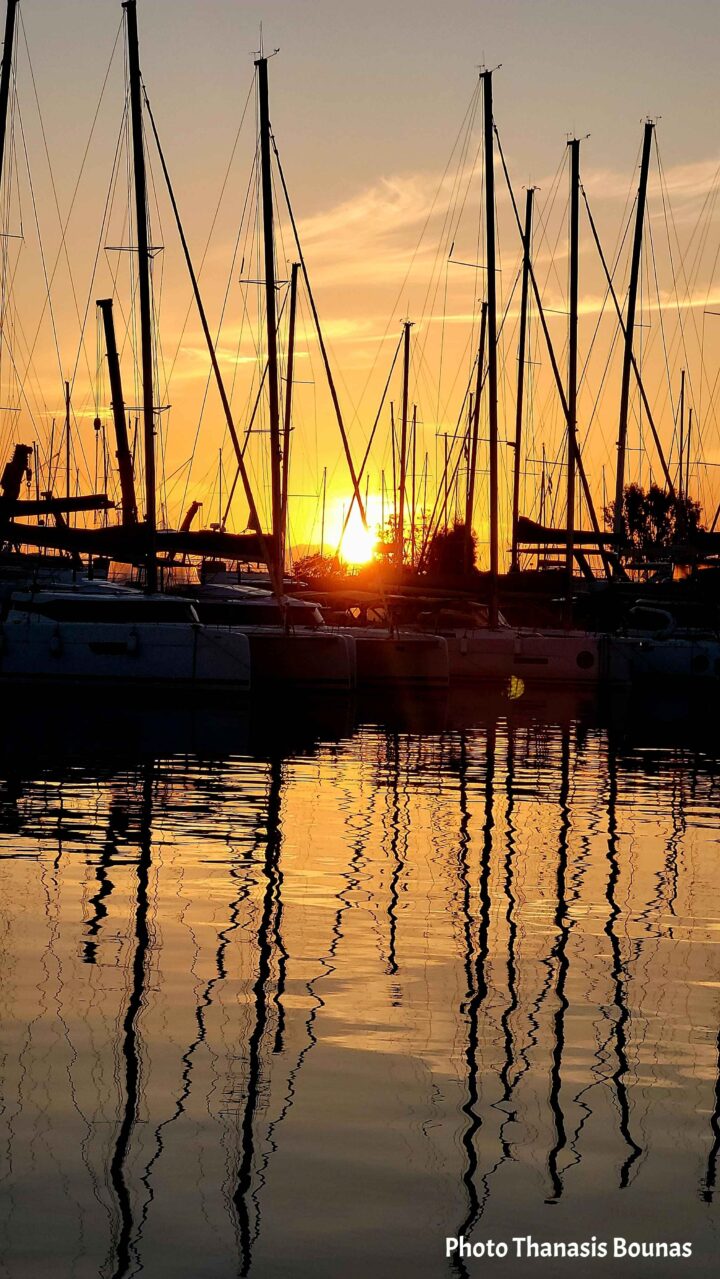
As evening approaches, the colors over the Aegean begin to change.
The sea darkens. Boats become silhouettes. The last sunlight appears between the clouds before slowly disappearing.
These are the moments that often remain after a journey is over.
Not necessarily the famous viewpoint or the busiest beach.
Sometimes it is simply the moment when you look back and realize that another Greek island is disappearing behind you.
Nisyros remains somewhere beyond the horizon, while the boat continues across the Aegean toward the next destination.
And perhaps that is one of the greatest pleasures of traveling through the Greek islands:
every departure is also the beginning of another journey.